
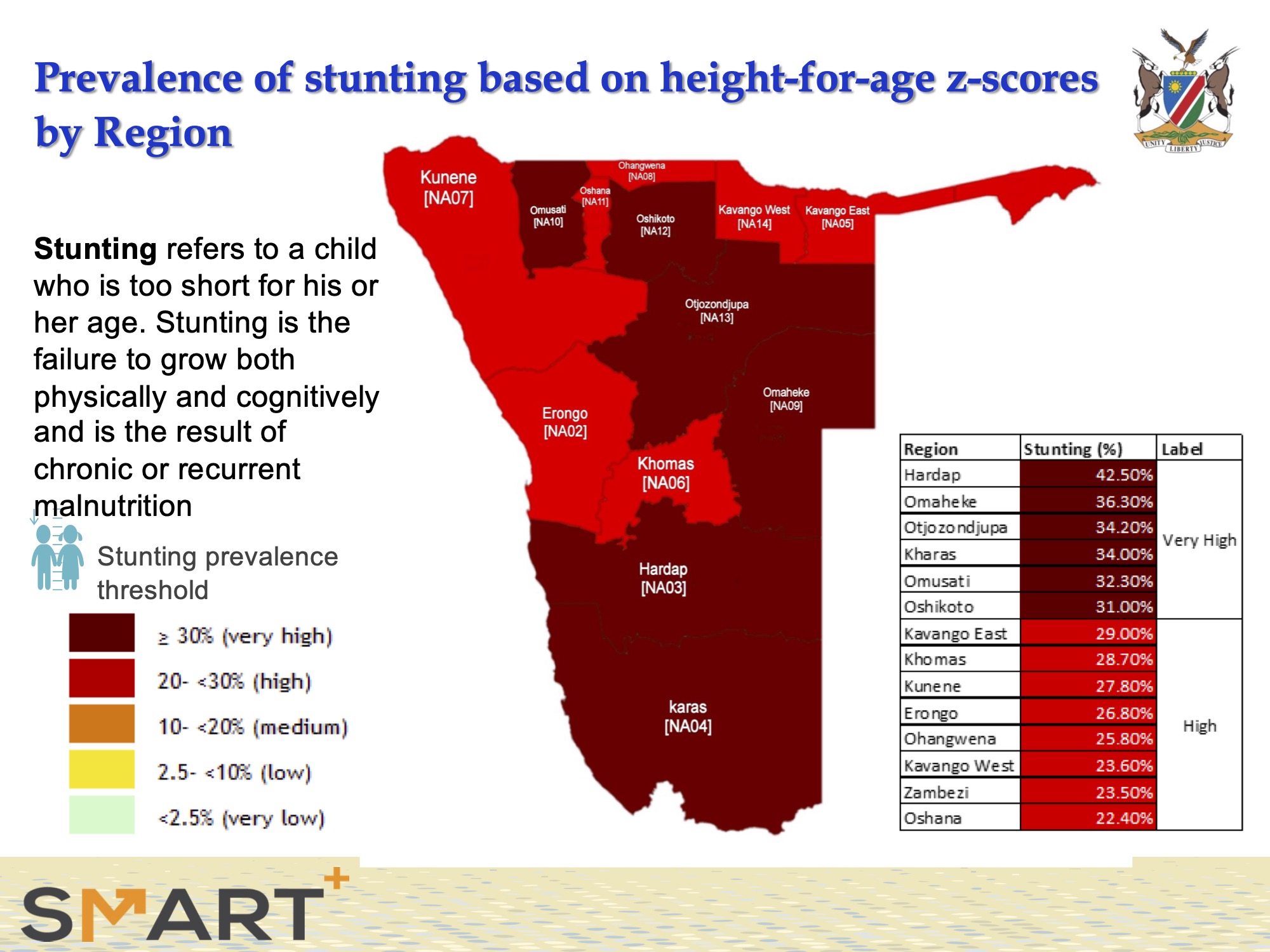
The SMART Survey Report (MoHSS, 2025) confirms a highly concerning rise in stunting (= chronic malnutrition) from ± 24% in 2012 (Namibia Demographic and Health Survey, 2013) to ± 30% in 2024.
> Presentation at the SMART Survey Report‘s launch on 21 November 2025.
> Short Video on Namibia’s SMART Survey Findings (3min), by the Government Information Centre
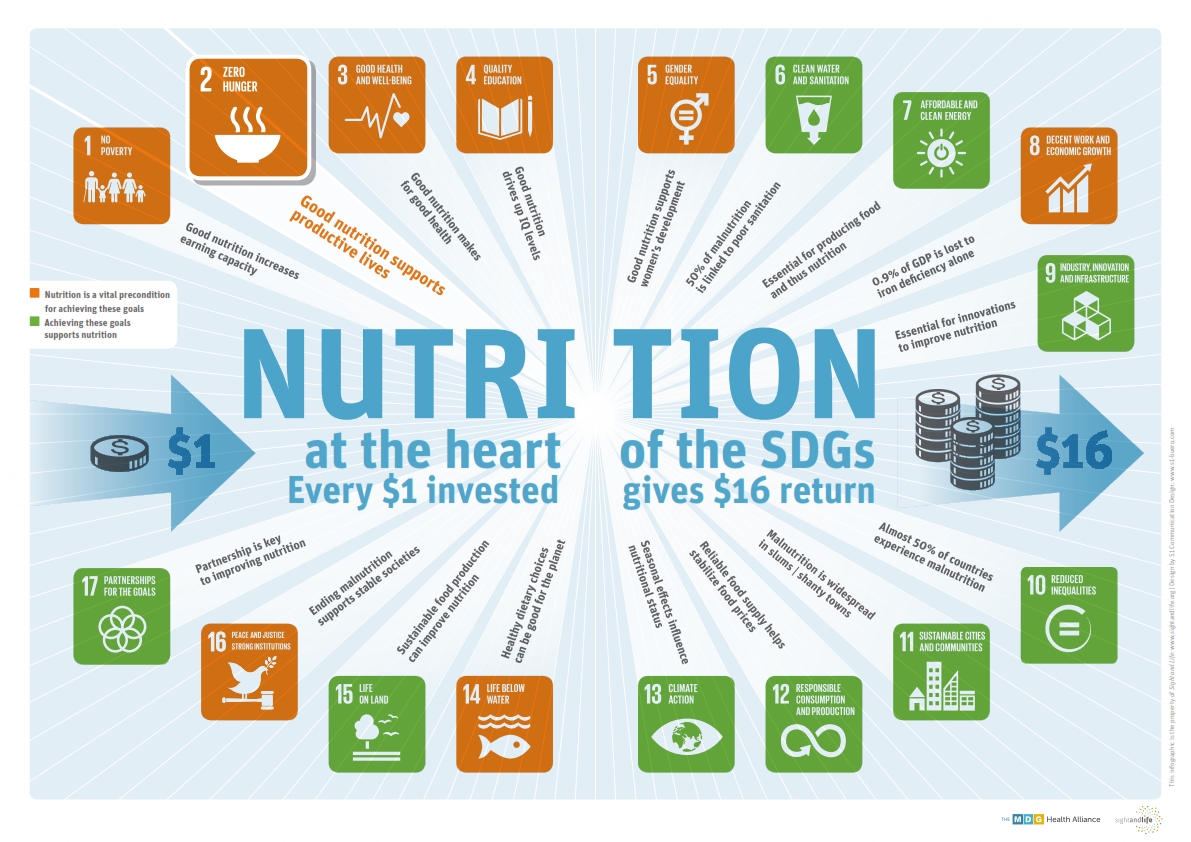
Investing in Nutrition pays back multiple times.
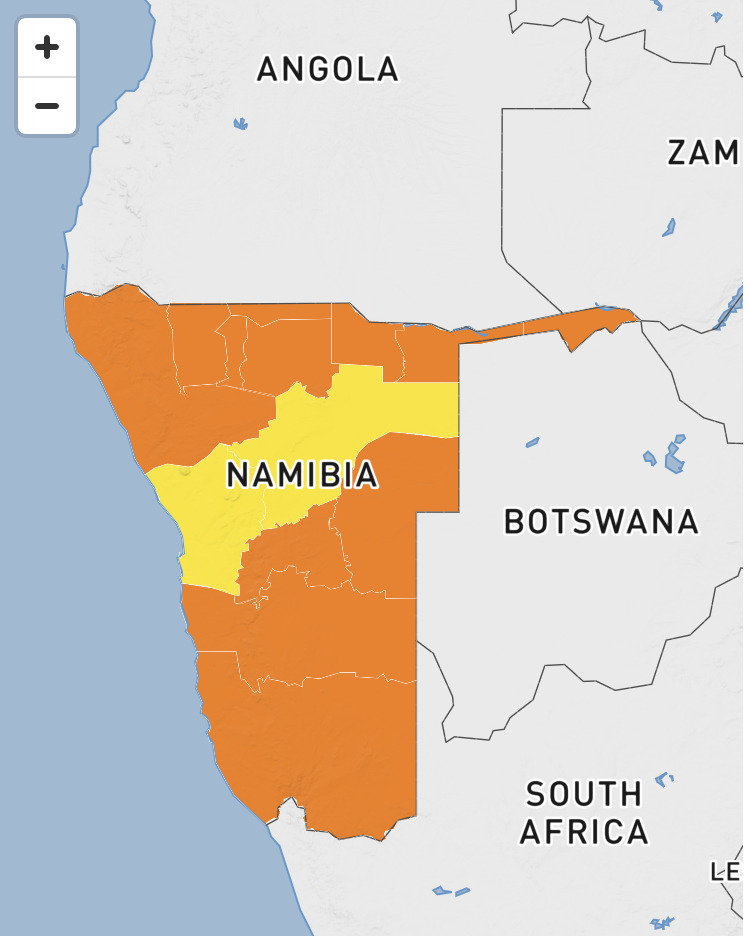
Integrated Food Security Phase Classification for Namibia
Malnutrition is the leading cause of death and ill health worldwide since 2020 –> Global Nutrition Report.
Read this special edition of our Newsletter from May 2025, ‘Reflecting on Omaheke Region’s Journey Against Malnutrition’ and watch our short documentary on “Joint Efforts to Overcome Malnutrition in our Communities" (13min)
- SOFI 2024 Report -
The State of Food Security and Nutrition in the World (SOFI) Report 2024 calls on all governments to:
-
Increase investments in proven, sustainable, cost-effective interventions to prevent child malnutrition focusing on the critical first 1,000 days. Good nutrition in early childhood is a game changer for children and nations.
> In Namibia, RightStart has been revived as a mult-stakeholder program and is also integrated in NDP6)
-
Adopt fiscal and regulatory policies to promote access to nutritious, safe, affordable and sustainable foods for children and their families and discourage the production, marketing and consumption of nutrient-poor, ultra-processed foods and beverages.
> In Namibia, there is a great need to end the current sugar subsidies and introduce a sugar-sweetened beverage tax.
Namibia's Nutrition Situation
Namibia’s Cost of Hunger (COHA) Report (NPC, 2022) estimates Namibia loses over 11 billion NAD (= 5.22% of its GDP) every year, based on 2016 data. Losses now (in 2024) are actually much higher, based on inflation and confirmed higher stunting rates.
The Fill the Nutrient Gap Report (NPC, 2021) shows (pp. 19-20) that a family of five needs to spend at least N$ 3,131 per month on food items alone to meet their minimal nutritional requirements, which most Namibian households cannot afford.
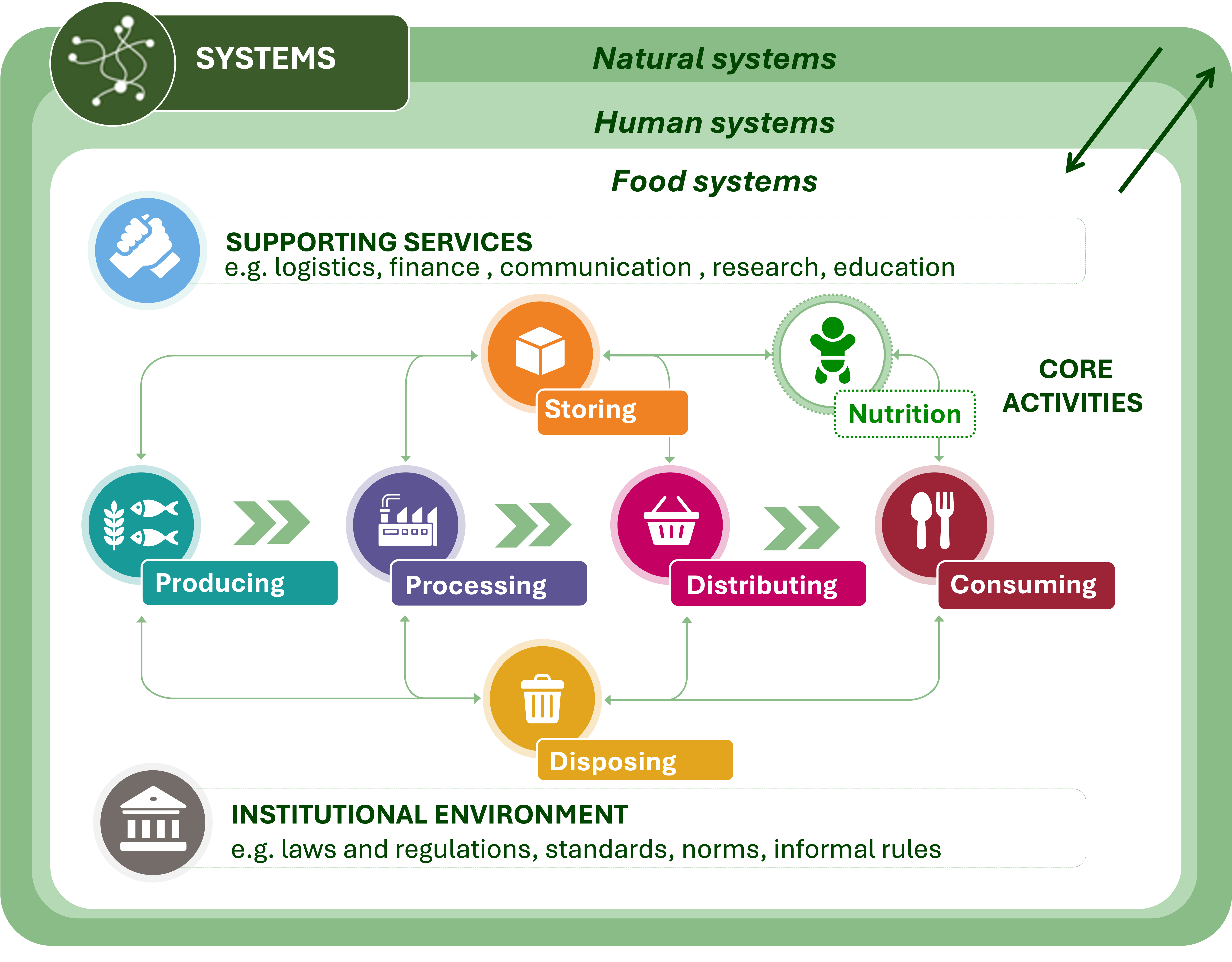
Links between Nutrition and Food Systems approaches need to be strengthened.
Food Systems Dashboard
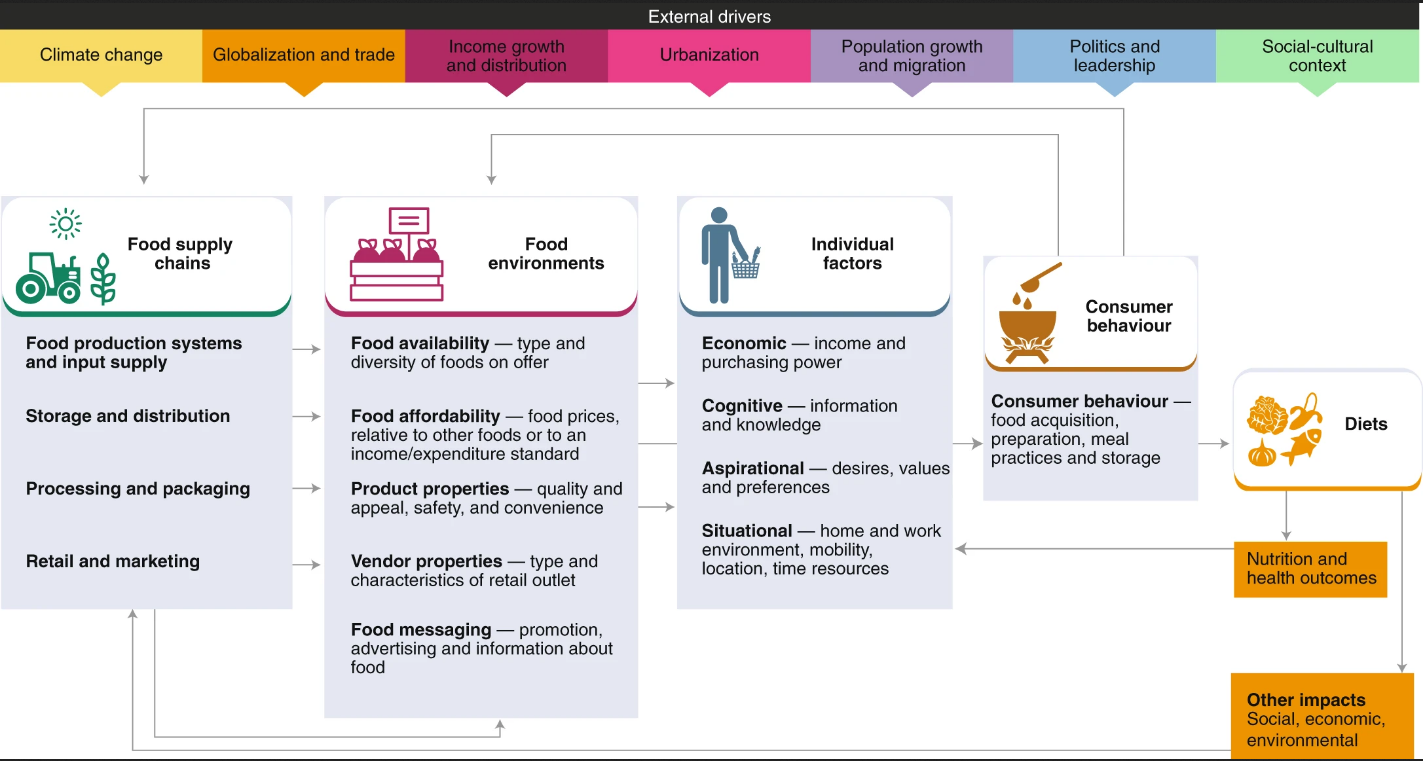
The Food Systems Dashboard - an helpful overview